
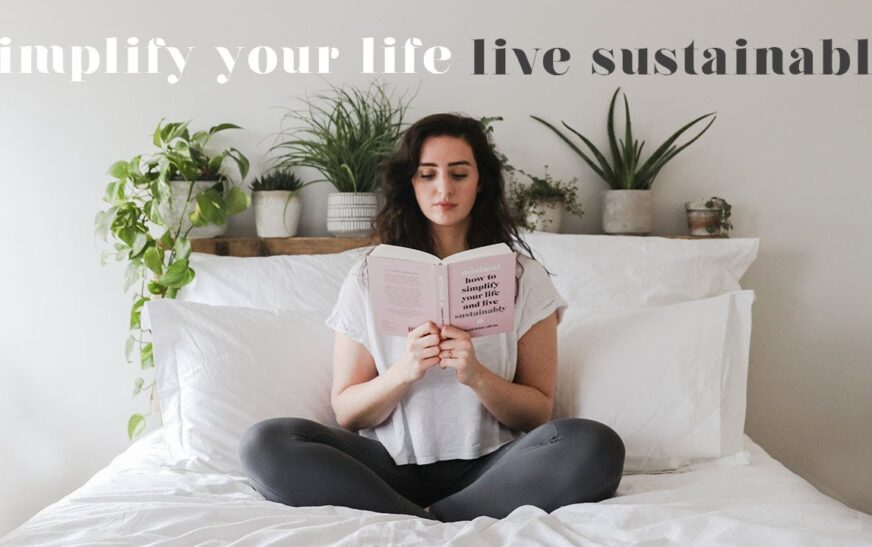
The soft life era is not about escaping responsibilities or avoiding challenges. It is about changing the way you move through life so that everything feels less heavy and more intentional. In a world where busyness is often glorified, choosing softness becomes a conscious decision to prioritize emotional balance over constant pressure.
Living a soft life means you are no longer reacting to everything around you. Instead, you are intentionally choosing what deserves your time, attention, and energy. Over time, this creates a lifestyle that feels calmer, more stable, and emotionally sustainable.
Choosing Peace Over Pressure in Daily Life
Choosing peace is one of the most powerful lifestyle decisions a person can make. Many people live under constant internal pressure, feeling like they must always do more, achieve more, and respond faster. This creates a cycle of mental exhaustion that slowly drains emotional energy without them realizing it.
A soft life begins when you start questioning this pressure. Instead of accepting stress as normal, you begin to recognize that peace is also a valid choice. You don’t need to prove your worth through exhaustion. You can move forward in life while still protecting your inner calm.
When you start prioritizing peace, your reactions change. You stop overcommitting, you think before saying yes, and you begin to value emotional stability as much as productivity. This shift does not happen instantly, but once it begins, it slowly reshapes how you approach every situation in life.
- You start saying no without guilt
- You avoid unnecessary emotional conflicts
- You choose calm responses instead of reactive stress
- You value mental space as much as external achievement
How peace becomes your natural response over time
At first, choosing peace feels intentional and requires effort. But over time, your mind adapts to this new way of responding. Situations that once triggered stress begin to feel manageable. You stop overreacting because your internal baseline becomes calmer.
Eventually, peace is no longer something you “try” to maintain—it becomes your default way of handling life.
Creating a Slow and Intentional Daily Routine
A soft life is deeply connected to how you structure your day. When your routine is rushed and overloaded, your mind stays in a constant state of pressure. But when your day is structured with intention and space, life feels more breathable and less overwhelming.
An intentional routine is not about doing less—it is about doing things in a way that does not drain you. It allows time between activities, reduces unnecessary urgency, and creates a natural rhythm instead of chaos.
When your day slows down, your mind also slows down. You become more present in what you are doing instead of constantly thinking about what comes next. This creates a sense of control that reduces anxiety and improves emotional balance.
- You create space between tasks instead of rushing
- You stop overloading your schedule unnecessarily
- You give yourself time to transition between activities
- You focus on quality of experience instead of speed
How slowing down reshapes your perception of life
When life is always rushed, everything feels like pressure. But when you slow down, even ordinary tasks feel more manageable. You begin to notice details, enjoy transitions, and experience less mental fatigue throughout the day.
Over time, slowing down doesn’t make life less productive—it makes it more sustainable.
Protecting Your Energy From Emotional Drain
Emotional energy is one of the most valuable resources you have, yet it is often spent unconsciously. Many people absorb stress from conversations, environments, and expectations without realizing how much it affects their mental state.
Protecting your energy means becoming selective about what you allow into your emotional space. Not every situation requires your reaction, and not every opinion deserves your attention. When you begin filtering what you engage with, your inner world becomes significantly calmer.
This does not mean disconnecting from people or responsibilities. It means learning to engage without overextending yourself emotionally. You begin to respond instead of react, observe instead of absorb, and choose instead of overcommit.
- You limit exposure to negativity and unnecessary drama
- You stop over-explaining or over-involving yourself
- You choose relationships that feel supportive
- You protect your mental space from constant emotional input
How emotional boundaries create long-term peace
When you consistently protect your energy, your mind stops feeling overloaded. You are no longer carrying emotions that don’t belong to you. This creates emotional stability and reduces burnout over time.
Eventually, your mind learns that it does not need to react to everything—it only needs to respond to what truly matters.
Simplifying Life to Reduce Mental Overload
Modern life often feels overwhelming, not because of major problems, but because of excessive complexity. Too many choices, tasks, and responsibilities can quietly create mental fatigue even when everything appears normal externally.
Simplifying life is about removing unnecessary mental load. It involves reducing clutter, limiting decisions, and focusing only on what actually matters. When life becomes simpler, your mind has more space to think clearly and feel calm.
Simplicity does not mean limitation—it means clarity. It removes distractions so that your attention can stay focused on meaningful things instead of scattered obligations.
- You reduce unnecessary tasks and commitments
- You simplify routines to make them easier to follow
- You remove clutter from physical and digital spaces
- You focus only on what adds real value to your life
How simplicity creates mental clarity
When your environment and schedule are simple, your mind no longer feels constantly overstimulated. You begin to think more clearly because there is less noise competing for your attention.
Over time, simplicity becomes a form of emotional relief that makes daily life feel lighter and easier to manage.
Prioritizing Rest Without Guilt
Rest is often misunderstood as something you earn only after being productive. But in reality, rest is a necessary part of maintaining emotional, physical, and mental balance. Without it, even simple tasks begin to feel overwhelming over time.
A soft life includes rest as a normal part of living, not as a reward. It removes the guilt associated with slowing down and replaces it with understanding that rest improves overall quality of life.
When you allow yourself to rest properly, your body recovers, your mind resets, and your emotions stabilize. This leads to better focus, better decisions, and more sustainable energy throughout the day.
- You allow yourself to pause without guilt
- You sleep and recover properly
- You take breaks before burnout happens
- You understand that rest improves productivity
How rest strengthens long-term balance
When rest becomes part of your routine instead of an afterthought, your energy becomes more stable. You stop pushing yourself to exhaustion and start working from a place of clarity instead of fatigue.
This shift creates long-term consistency instead of short bursts of productivity followed by burnout.
Building a Lifestyle That Feels Gentle and Supportive
A soft life is not only about mindset—it is also about how your daily environment and habits support your well-being. When your lifestyle feels chaotic, your mind reflects that chaos. But when your lifestyle feels structured and gentle, your emotional state becomes more stable.
Creating a supportive lifestyle involves designing your surroundings, routines, and habits in a way that reduces stress instead of increasing it. It is about choosing comfort, balance, and sustainability over pressure and overload.
Over time, this creates a life that feels easier to live in instead of constantly needing to be managed.
- You create environments that feel calming and organized
- You build routines that are easy to maintain
- You reduce unnecessary sources of stress
- You align your life with emotional well-being
How lifestyle design shapes emotional health
When your external life is aligned with your internal needs, everything feels more balanced. You are no longer constantly adjusting to discomfort because your environment supports your peace.
This alignment makes daily living feel smoother and more emotionally sustainable.
Allowing Joy and Softness Into Everyday Moments
Joy is often postponed for special occasions, but in a soft life, joy is integrated into daily living. Small moments of happiness are not treated as rare—they are intentionally noticed and appreciated.
This could be something as simple as enjoying a quiet moment, appreciating your surroundings, or doing something that feels comforting without purpose or productivity attached to it.
When you allow joy into everyday life, emotional heaviness reduces and life feels more fulfilling.
- You appreciate small daily moments instead of ignoring them
- You allow yourself to enjoy things without guilt
- You create space for comfort and relaxation
- You notice beauty in ordinary routines
How small joys reshape emotional balance
When joy becomes part of daily life, stress loses its dominance. Even on difficult days, small positive moments act as emotional resets that keep your mind balanced.
Over time, this creates a more stable and softer emotional experience of life.
Frequently Asked Questions
What is the soft life era?
It is a lifestyle focused on peace, emotional balance, and reducing unnecessary stress.
Does “soft life” mean avoiding responsibility?
No, it means handling responsibilities in a calmer and more balanced way.
How can I start living a soft life?
Start by simplifying routines, protecting your energy, and prioritizing rest.
Is soft life realistic today?
Yes, because it is based on mindset and habits, not circumstances.
Why is soft life becoming popular?
Because people are valuing mental health and emotional well-being more.
Conclusion:
The soft life era is not about reducing life itself but about changing the way you experience it. It is a shift from constant pressure, urgency, and emotional exhaustion toward a more balanced and intentional way of living. Instead of reacting to everything around you, you begin to choose what truly deserves your energy, attention, and emotional involvement.
This transformation does not happen through one big decision. It happens through small, repeated choices—choosing rest when needed, simplifying routines, protecting your emotional space, and allowing yourself to slow down without guilt. Over time, these small decisions reshape your internal state and create a calmer way of living that feels more sustainable.
What makes this lifestyle powerful is not that it removes challenges, but that it changes how you move through them. Life still has responsibilities, uncertainties, and demands, but your response becomes more grounded. You are no longer operating from stress—you are operating from clarity and balance.
Eventually, this shift becomes visible not just internally but externally as well. Your energy feels different, your presence feels calmer, and your overall approach to life becomes more steady and intentional.
When Softness Becomes a Lifestyle You No Longer Fight Against
At the beginning, adopting a soft life requires awareness and effort. You have to consciously remind yourself to slow down, to protect your energy, and to avoid slipping back into constant pressure. It can feel unfamiliar at first, especially if you are used to living in a fast-paced or stressful rhythm.
However, as you continue practicing these choices, something subtle begins to change. What once required effort slowly starts becoming automatic. You no longer need to constantly remind yourself to rest or set boundaries—your mind begins to naturally prefer balance over burnout. This is where the real transformation begins to take shape.
Over time, softness stops feeling like a “method” and starts becoming your default way of living. You begin to respond to situations with more calmness instead of urgency. You think more clearly before reacting. You choose peace without overthinking it. Your emotional system becomes more stable because it is no longer constantly overstimulated.
At this stage, you are no longer forcing a lifestyle—you are embodying it. The soft life is no longer something you are trying to achieve. It becomes something you naturally live every day, quietly shaping the way you think, feel, and experience the world around you.