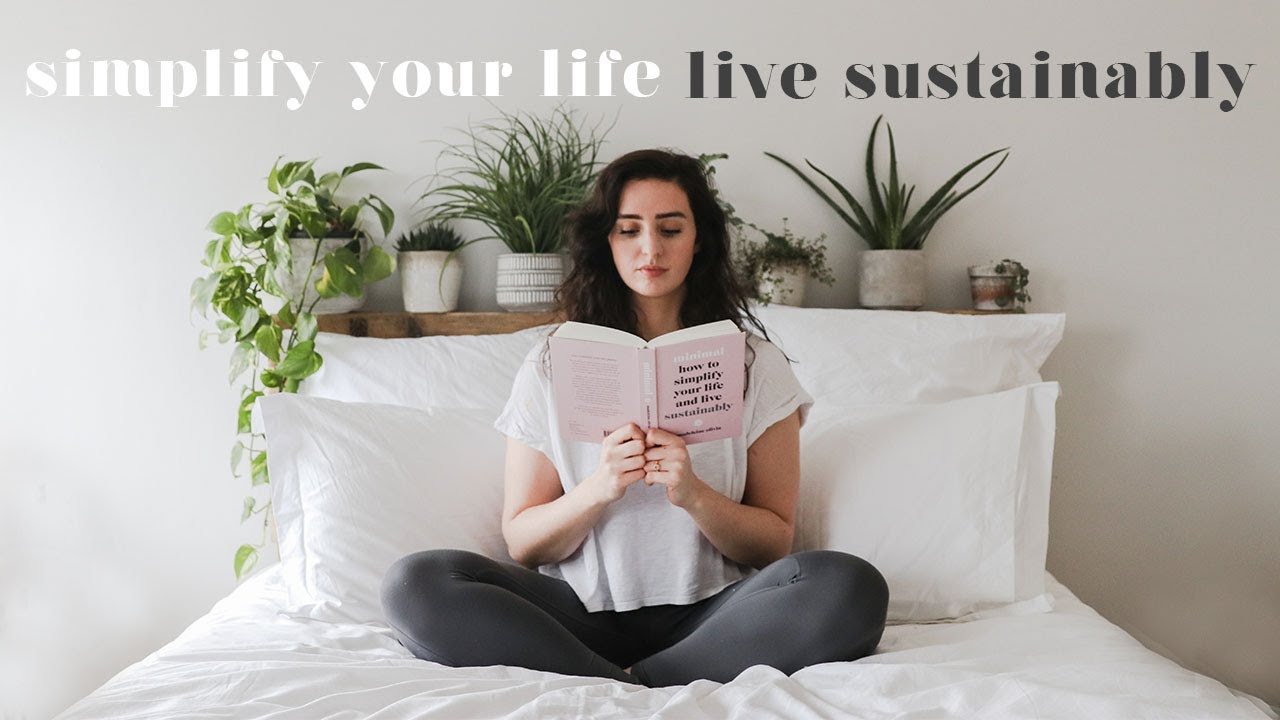


Life is not only defined by milestones or big achievements. Most of it is made up of ordinary, repeated moments that we often overlook. The way mornings begin, how we move through daily routines, and how we end our evenings quietly shapes our emotional experience of life more than anything else.
Romanticizing life is not about creating something artificial or unrealistic. It is about noticing what already exists but usually goes unseen. When attention slows down, even simple moments begin to feel richer. A warm drink, soft morning light, or a quiet walk can start to feel meaningful when experienced fully.
Creating Morning Rituals That Feel Intentional
Mornings carry a unique emotional influence because they set the tone for everything that follows. When mornings feel rushed, the whole day often feels scattered. But when they are slow and intentional, they create a sense of balance and calm that carries forward.
Building a meaningful morning routine is not about adding many activities. It is about being present in the small ones that already exist. The way you wake up, the first few minutes of silence, or even how you prepare your space can become grounding rituals instead of automatic habits.
- Waking up without immediately rushing into screens or tasks
- Allowing a few quiet minutes before starting responsibilities
- Enjoying simple rituals like tea, stretching, or journaling
- Creating consistency in how the day begins emotionally
A morning that changes the emotional direction of the day
There is a noticeable difference between waking up in chaos and waking up in calm awareness. Even five to ten minutes of intentional stillness can change how the rest of the day unfolds. Instead of reacting to the day, you begin to move through it with more control and presence.
Finding Beauty in Everyday Environments
Our surroundings quietly influence how we feel throughout the day. Many people overlook their environment because it becomes familiar, but familiarity often hides subtle beauty. Light moving across a wall, the sound of wind, or even small objects on a desk can shift emotional tone when noticed.
Romanticizing life begins when you stop seeing your environment as background noise and start seeing it as part of your experience. Even the same room can feel different depending on how much attention you give it.
- Observing light, colors, and textures in daily spaces
- Keeping environments clean, calm, and visually simple
- Adding small personal items that bring comfort or meaning
- Spending mindful time in peaceful or natural surroundings
When surroundings start feeling alive again
When you begin noticing details you previously ignored, your environment feels more alive. A simple room no longer feels empty or repetitive—it starts feeling familiar in a comforting way. This shift does not change the space itself, but it changes your relationship with it.
Turning Simple Tasks Into Mindful Moments
Daily tasks are often treated as things to finish quickly. Cooking, cleaning, or commuting becomes something to rush through rather than experience. But when attention shifts, these same activities can feel grounding and even calming.
The goal is not to slow everything down completely but to bring awareness into the process. When your mind is present, even repetitive actions feel less mechanical and more natural.
- Focusing on one task instead of multitasking constantly
- Paying attention to sensory details like sound and movement
- Reducing distraction during simple daily activities
- Treating routine actions as part of your rhythm, not interruption
A routine moment that becomes unexpectedly peaceful
Even something as simple as washing dishes or preparing food can feel different when done slowly. Instead of thinking ahead or rushing, you begin to notice textures, sounds, and movement. That small shift turns routine into presence.
Using Music and Sound to Shape Mood
Sound influences emotion more than most people realize. Music, silence, and background noise all affect how a moment feels. By choosing sound more intentionally, you can shape the emotional tone of your daily life.
Instead of leaving sound to chance, romanticizing life includes being aware of what you listen to and when you listen to it.
- Creating playlists for specific moods or times of day
- Using calming sounds during routine or repetitive tasks
- Letting music guide transitions between activities
- Reducing unnecessary noise to create mental space
How sound quietly reshapes everyday experiences
A quiet space with soft music can make even ordinary tasks feel meaningful. Similarly, silence during a peaceful moment can feel grounding. Sound becomes less of a background element and more of an emotional layer in your day.
Slowing Down Time Through Awareness
Time feels faster when attention is divided and slower when attention is present. Romanticizing life is deeply connected to awareness—fully experiencing what is happening instead of mentally rushing to the next thing.
This does not require changing your schedule. It requires changing how you move through it.
- Pausing briefly between tasks instead of rushing instantly
- Noticing surroundings during transitions in your day
- Bringing attention back when the mind starts rushing ahead
- Allowing yourself to fully experience small moments
A small pause that changes the feeling of time
Even a short moment of stillness before starting a task can change how the entire activity feels. Instead of feeling rushed or automatic, it feels more intentional and present. These small pauses stretch the experience of time in a meaningful way.
Creating Small Moments of Joy Daily
Joy does not need to come from special occasions. It can exist in everyday life if it is noticed and allowed. Romanticizing life often means creating space for these small moments instead of waiting for big ones.
These moments do not need planning. They only need attention.
- Enjoying a drink or meal without distraction
- Watching the sky or natural surroundings for a few minutes
- Taking short, unstructured walks
- Acknowledging small personal progress or wins
How small moments build emotional balance
A single small moment of calm or enjoyment can interrupt stress and reset emotional balance. Over time, these moments build a sense of steadiness in daily life that does not depend on external events.
Building a Personal Aesthetic for Your Life
A personal aesthetic is not about perfection or appearance. It is about creating an environment and lifestyle that feels aligned with your personality and emotional comfort. This includes how your space looks, how your routines flow, and how your daily life feels overall.
When your environment reflects your preferences, life feels more coherent and grounded.
- Choosing simple and comfortable visual surroundings
- Organizing spaces in a way that reduces stress
- Keeping items that hold emotional value or comfort
- Creating consistency in how daily life feels and flows
When life starts feeling more aligned internally and externally
When your environment and habits feel aligned, daily life feels less fragmented. Even small routines start feeling intentional because everything around you supports a sense of calm and clarity.
Frequently Asked Questions
What does it mean to romanticize your life?
It means being more present and intentional so everyday moments feel meaningful instead of rushed.
Is romanticizing life realistic?
Yes, because it is based on awareness, not changing your actual circumstances.
How do I start romanticizing my life?
Begin by slowing down and noticing small details in your daily routine.
Do I need a perfect lifestyle for this?
No, it works in any lifestyle because it depends on attention, not conditions.
Why does romanticizing life feel calming?
Because it reduces mental rushing and increases present-moment awareness.
Conclusion:
Romanticizing life is not about creating a different world—it is about experiencing your current one more deeply. When attention becomes more present, even ordinary routines begin to feel softer, calmer, and more meaningful.
Over time, this shift changes how you relate to your entire day. Life feels less like something to get through and more like something to experience.
When Ordinary Days Start Feeling Enough
There comes a point where you stop waiting for special moments to feel happy. Instead, you begin noticing that ordinary days already contain enough beauty on their own.
When awareness becomes a habit, even simple routines feel complete. Life does not need to be extraordinary to feel meaningful—it only needs to be noticed fully, as it is.